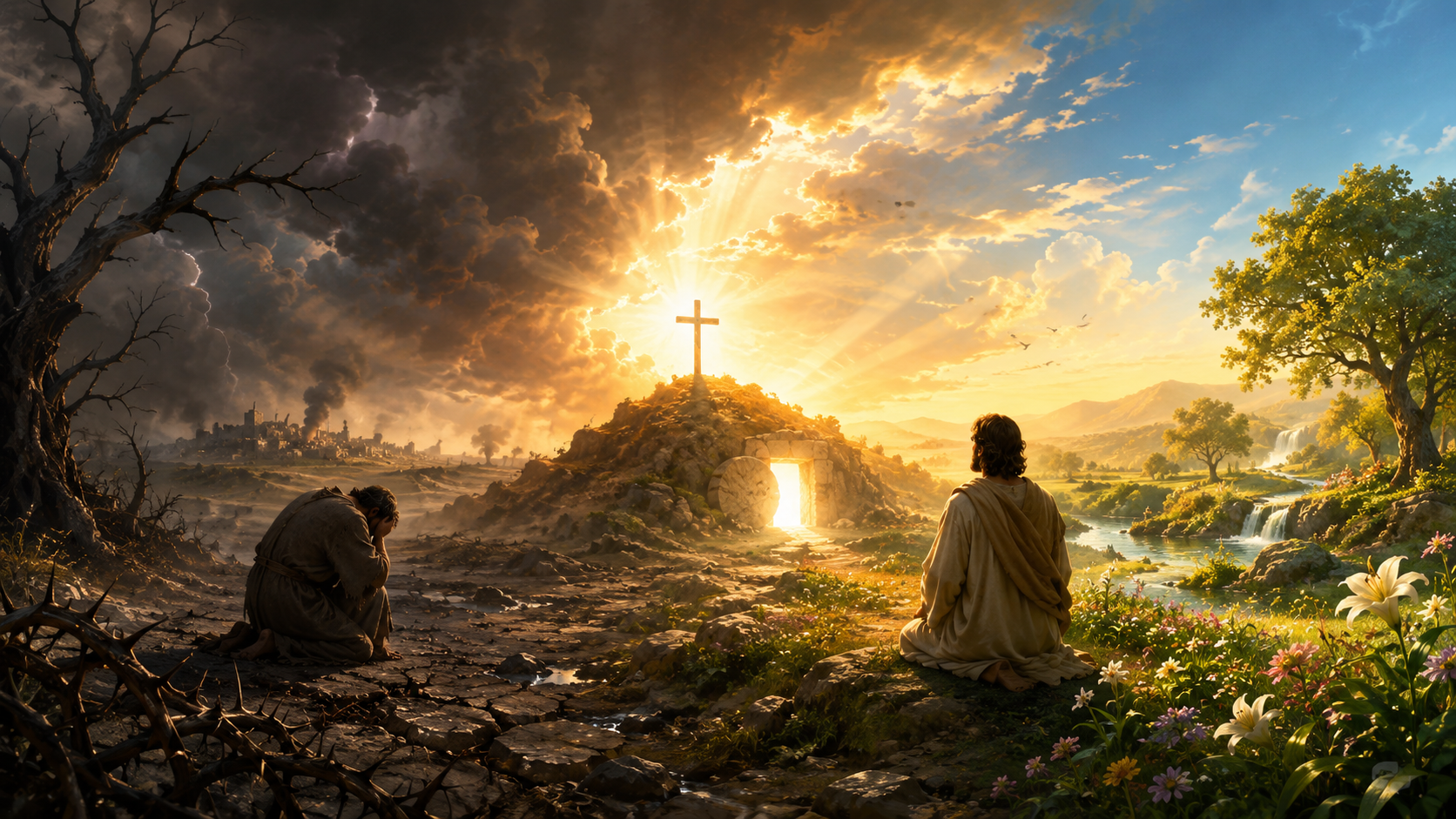
Life is full of pain that is sometimes too deep for words. Romans 8 speaks directly to that experience, offering a powerful contrast between the groaning we feel now and the glory that awaits us. This is not a message that dismisses suffering. It is a message that puts suffering in its proper place.
Where Did All This Groaning Come From?
The groaning we experience in this world did not happen by accident. It started in the Garden of Eden when Adam and Eve chose to eat from the one tree God had forbidden. At the heart of that choice was a desire for personal glory, a desire to become more like God on their own terms rather than waiting for what He had already planned to give them.
Sin entered the world that day. And through sin, death followed. As Romans 1:23 (ESV) describes, humanity "exchanged the glory of the immortal God for images resembling mortal man and birds and animals and creeping things." Rather than looking upward to God, people turned inward to themselves and began worshiping the created rather than the Creator.
That inward focus did not just affect people. It affected everything.
Why Is All of Creation Groaning?
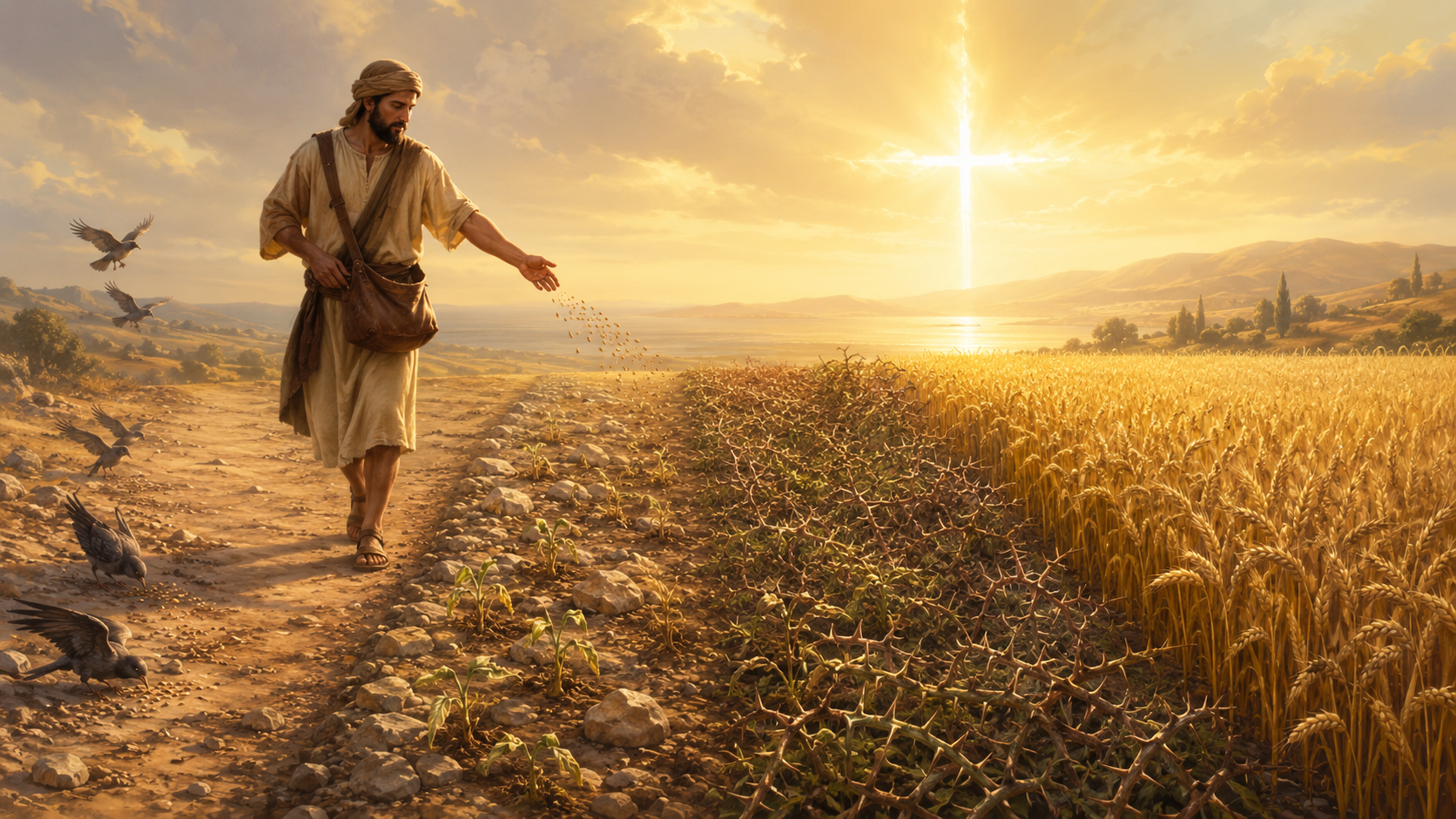
Scripture tells us that all of creation groans because of the consequences of human sin. The weeds, the thorns, the wildfires, the pollution, the brokenness we see in the natural world are all connected to that original turning away from God.
Creation is not just suffering passively. It is waiting. It is longing for something better, for the day when it will be restored and renewed. Even the smallest creatures and the natural world around us seem to be straining forward toward a future that has not yet arrived.
Do Christians Groan Too?
Yes. Paul is clear that believers also groan. This is not a sign of weak faith. It is an honest acknowledgment of what life in a broken world feels like.
The suffering Paul points to here is not only spiritual pressure from persecution. It is the everyday weight of personal hardship: financial struggles, grief, loss, illness, and death itself. These are the things that bring us to our knees and sometimes leave us without words.
That groaning is real. And God does not ignore it.
What Happens When We Cannot Even Find the Words to Pray?
This is one of the most comforting truths in all of Romans 8. When the pain is so deep that we cannot articulate it, we are not left alone.
Romans 8:26 (ESV) says, "Likewise the Spirit helps us in our weakness. For we do not know what to pray for as we ought, but the Spirit Himself intercedes for us with groanings too deep for words."
The Holy Spirit feels our pain and brings it before the Father. We close our prayers in Jesus' name because He is our mediator. But when we cannot even form the words, the Spirit steps in and intercedes on our behalf. The Father hears those groanings and knows the heart of every suffering child.
That is not a small thing. That is the triune God actively caring for you in your lowest moments.
How Does the Promise of Glory Change the Way We See Suffering?
Paul does not leave us in the groaning. He lifts our eyes toward what is coming. Romans 8 presents a kind of balance scale, and the weight of future glory far outweighs the weight of present suffering.
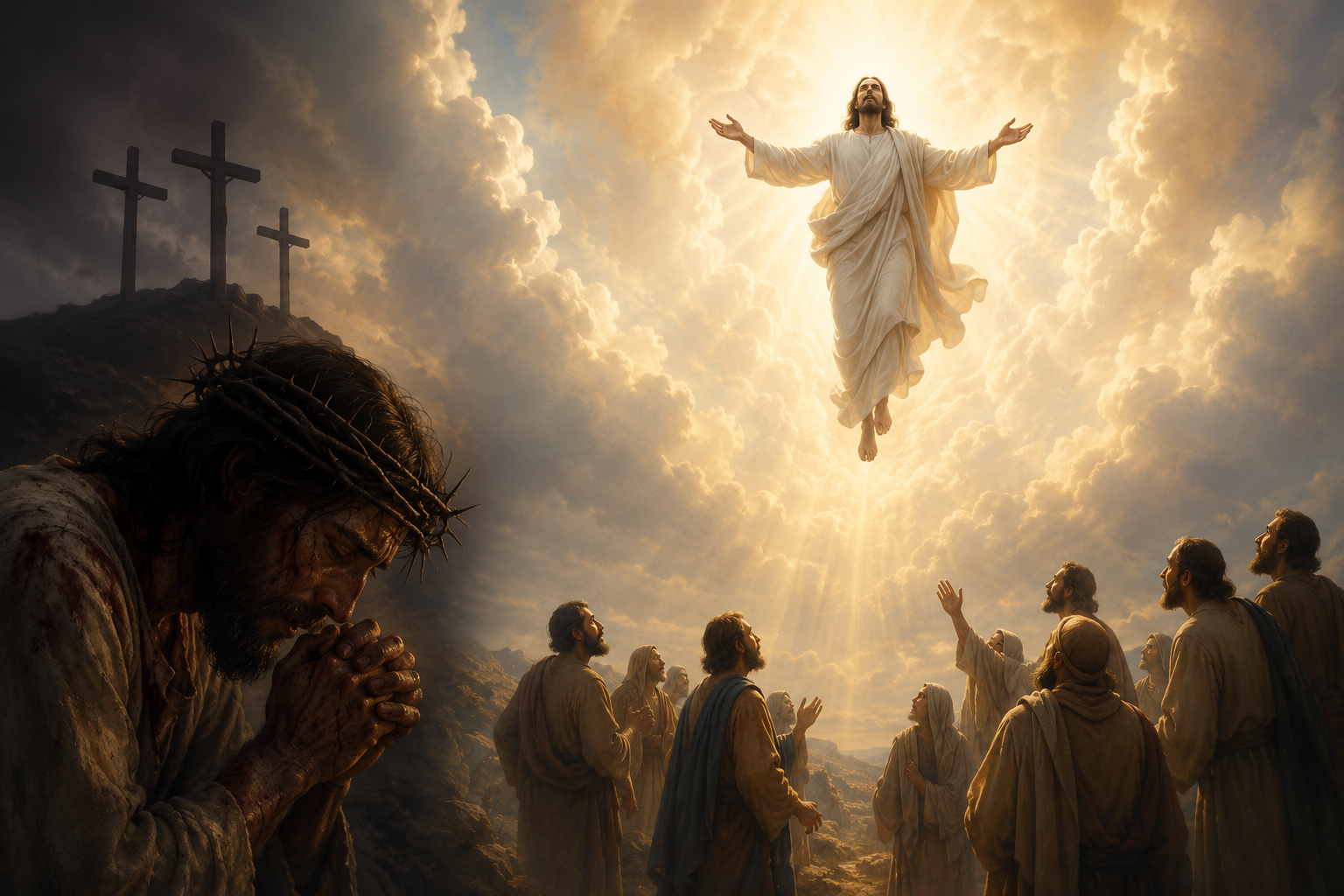
The promise began all the way back in Genesis 3:15 (ESV), when God told the serpent, "I will put enmity between you and the woman, and between your offspring and her offspring; He shall bruise your head, and you shall bruise His heel." That promise pointed directly to Christ. Satan bruised the heel of Jesus on the cross. But Christ rose from the grave, and Satan was defeated. The bruise did not stop Him.
Because of that victory, the groaning we experience now is not the end of the story.
What Does the New Creation Actually Look Like?
Scripture does not give us every detail, but it does give us a direction. The hope we have is not simply about going to heaven when we die. It is about the new earth that Christ will bring when He returns.
The theological picture that emerges is one of renewal rather than replacement. God will cleanse and reshape His original creation, restoring it to the goodness He declared at the beginning. He will come to dwell with His people on this renewed earth. We will not be distant observers of glory. We will be co-stewards of a creation made whole, living in the presence of our triune God.
That is what we are leaning toward. That is what creation itself is straining to see.
How Should This Hope Shape the Way We Live Now?
Paul puts it plainly in Romans 8: the sufferings of the present time are not worth comparing with the glory that is to be revealed to us. That is not a dismissal of pain. It is a reorientation of perspective.
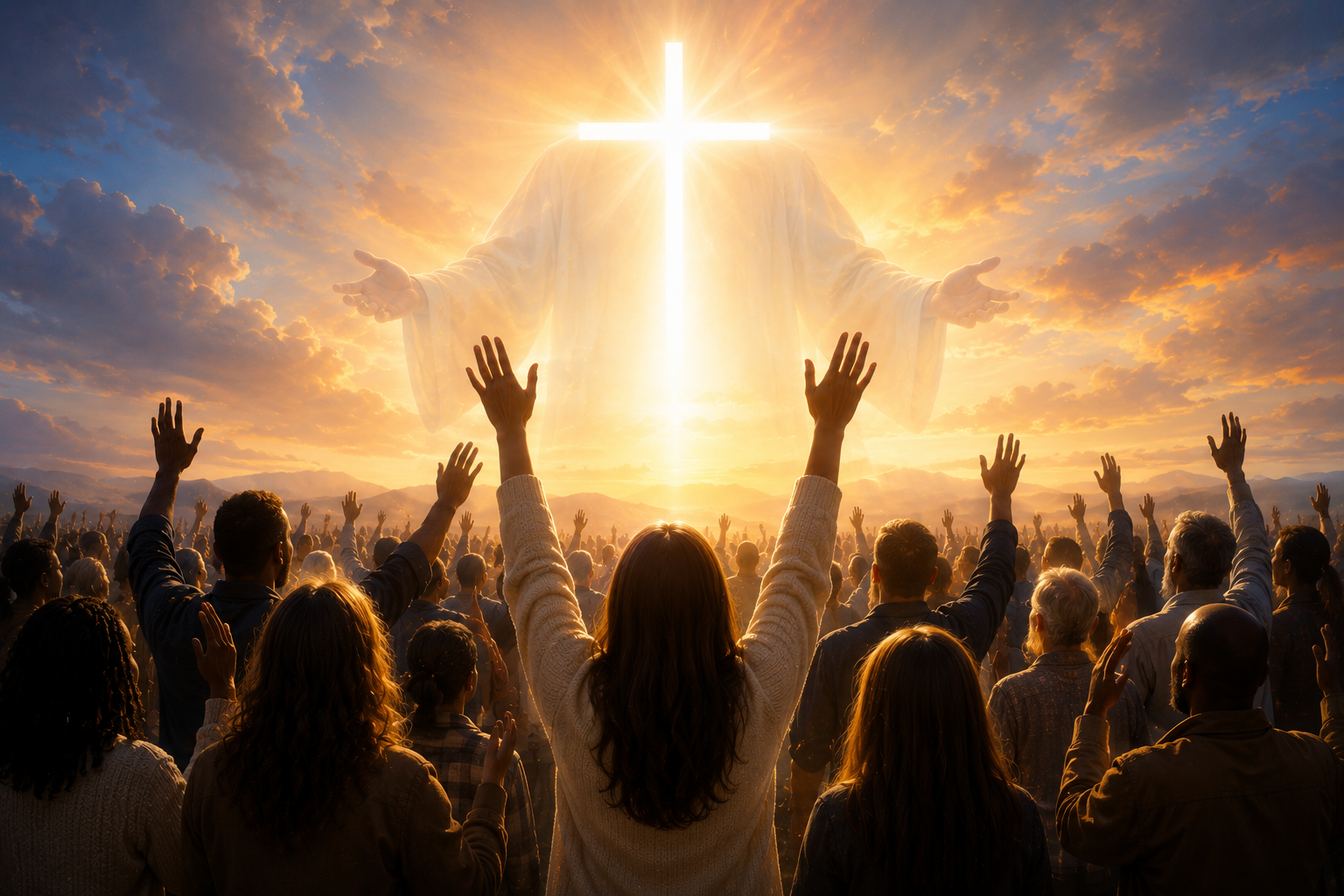
We naturally want to hold onto this life as long as we can, and that is not wrong. But it is worth pausing to consider the weight of what is ahead. The risen Christ is not distant. He sits with the Heavenly Father, watching over His creation, and He is coming to make all things new.
That truth is meant to hold us steady when the groaning feels overwhelming.
Life Application
This week, when you encounter a moment of suffering, whether it is grief, anxiety, frustration, or pain that you cannot quite put into words, pause and remember that you are not alone in it. The Holy Spirit is interceding for you. The Father hears. And the glory ahead is greater than anything you are carrying right now.
As a practical challenge, take one specific burden you have been carrying and bring it to God in prayer, even if all you can offer is silence. Trust that the Spirit will carry the rest.
Ask yourself these questions as you reflect this week:
- Is there a suffering in my life right now that I have been trying to carry alone rather than bringing before God?
- How does the promise of the new creation change the way I think about what I am going through today?
- Am I living with my eyes fixed on the risen Christ, or am I more focused inward on my own circumstances?
The groaning is real. But so is the glory. And the glory wins.