Divided by Love: What Jesus Really Meant When He Said He Came with a Sword
Jesus said some of the most comforting words ever spoken. He also said some of the most challenging. In Matthew 10, He told His disciples plainly that He did not come to bring peace, but a sword. For anyone who knows Jesus as the Prince of Peace, that statement stops you cold. But when you understand what He meant, it changes how you think about faith, family, and where your deepest loyalty belongs.
What Was Jesus Actually Preparing His Disciples For?
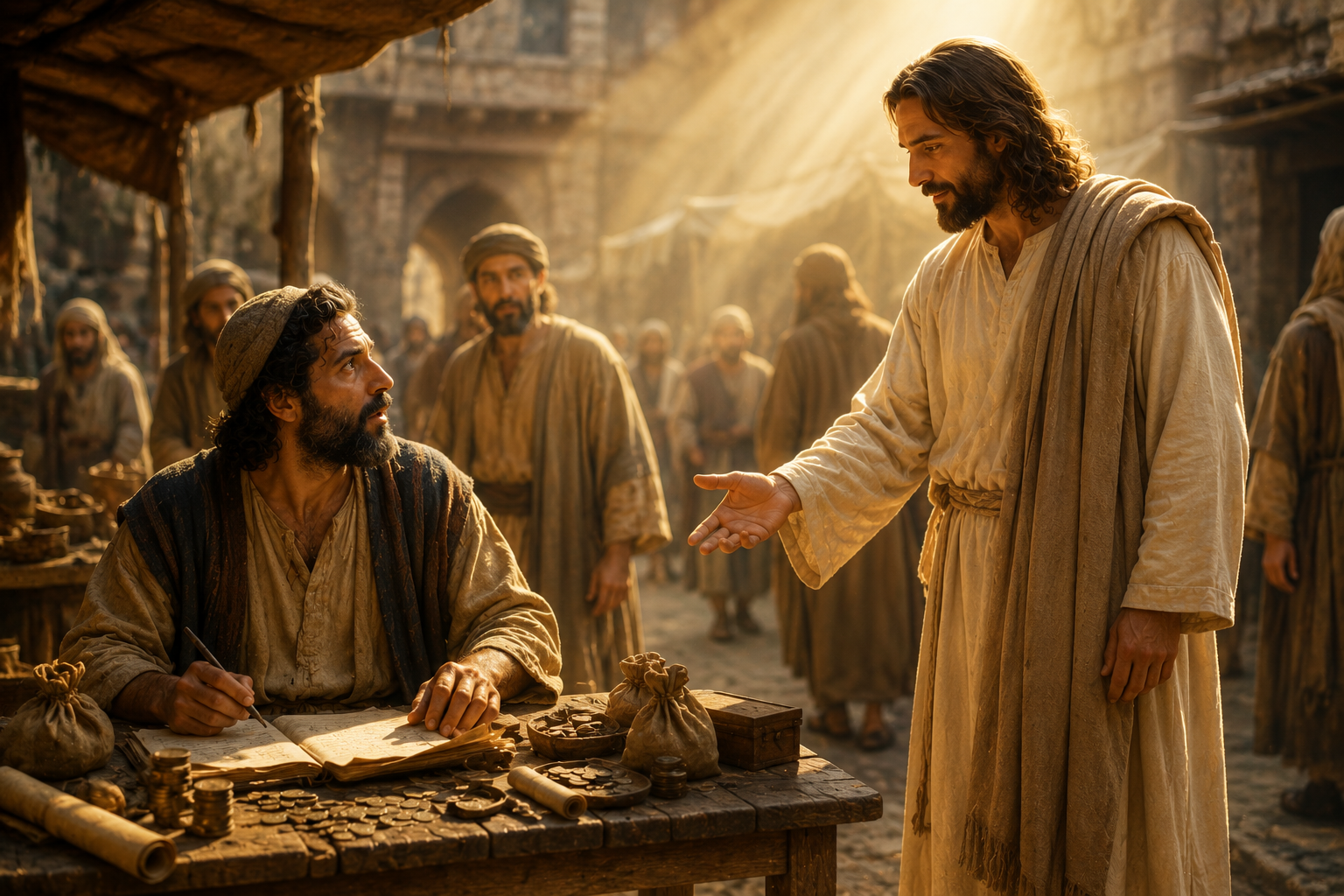
Jesus was in the middle of preparing His twelve disciples to go out into the world as apostles. The word apostle comes from the Greek meaning "sent forth." These men had been learning from Jesus for nearly three years, and now He was getting ready to send them out to witness on His behalf.
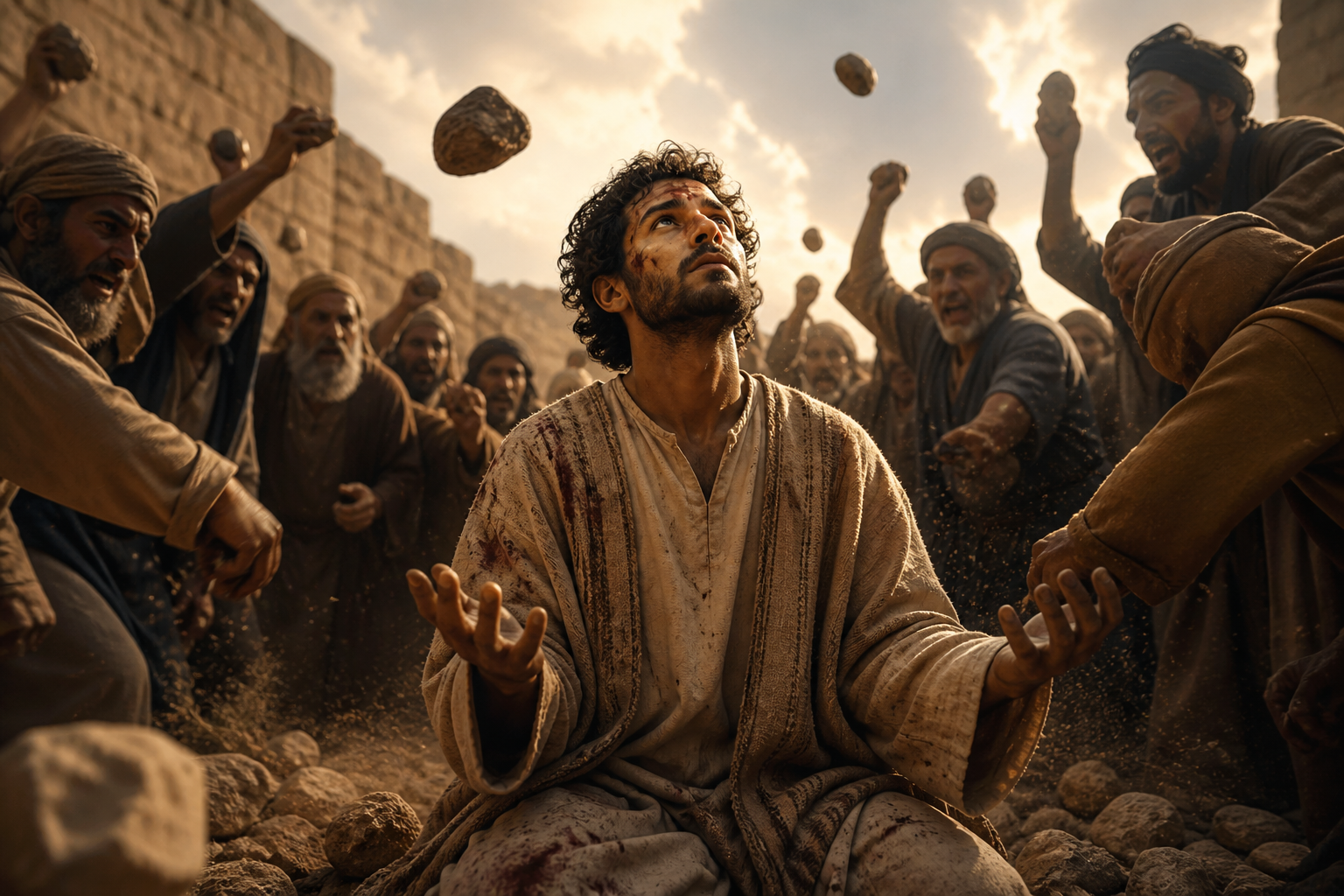
His instructions were not soft. He was honest with them about what was coming. People would reject them. Families would be divided. And the very relationships they treasured most could become sources of conflict because of their faith in Him.
Why Did Jesus Say He Came with a Sword, Not Peace?
This is the part that catches people off guard. Jesus said in Matthew 10:
"Do not think that I have come to bring peace to the earth. I have not come to bring peace, but a sword." - Matthew 10:34 English Standard Version (ESV)
He then went further, echoing the words of the Old Testament prophet Micah:
"For I have come to set a man against his Father, and a daughter against her mother, and a daughter-in-law against her mother-in-law. And a person's enemies will be those of his own household." - Matthew 10:35-36 English Standard Version (ESV)
These are hard words. But understanding the literary technique Matthew used here helps. It is called dialectical negation. Jesus was using strong, emphatic language to make a point. A better way to hear what He was saying might be this: "I have come not only to bring peace, but even more, a sword." Because wherever the gospel goes, people will be divided by their response to it.
Did Jesus Really Come to Divide Families?
Yes and no. Jesus absolutely came to bring peace. The angels announced it at His birth in Luke 2:14. He told His disciples earlier in Matthew 10:13 to let their peace rest on every home that welcomed them. He is the Prince of Peace.
But He also knew that following Him would not be universally welcomed, even within families. The prophet Micah had already warned Israel that sin would cause division within households. Jesus was now saying something similar: faith in Him alone would cause the same kind of division. Not because He wanted conflict, but because the gospel demands a response, and not everyone responds the same way.
What Does "Rightly Ordered Love" Mean for Christians?
Throughout this portion of His missionary discourse, Jesus was calling His disciples to have what might be called rightly ordered love. Just as He called them to have rightly ordered fear (fearing God above what man can do to them), He was now calling them to love God above everything else, including family.
That is a difficult thing to hear. We love our parents. We love our children. We love our spouses. These are good and God-given relationships. But Jesus was clear that none of those relationships should come before our love and trust in Him.
He was not asking His disciples to abandon their families. He was asking them to make sure their deepest loyalty, their ultimate trust, belonged to God alone.
How Does This Apply to Witnessing and Sharing Your Faith?
One of the reasons this message matters so much today is that many Christians are afraid to share their faith. Research from Barna shows that 64% of Christians believe they have a responsibility to share their faith, down from 89% just 25 years ago. Even more striking, 70% of unchurched Americans say that a Christian friend has never once shared their faith with them.
Fear holds us back. Fear of rejection. Fear of saying the wrong thing. Fear of damaging a relationship.
But Jesus addressed that fear directly. He reminded His disciples that God knows when a sparrow falls to the ground. He knows the number of hairs on your head. If God cares about those small things, He will certainly care for you when you step out in faith to share the gospel.
"Are not two sparrows sold for a penny? And not one of them will fall to the ground apart from your Father. But even the hairs of your head are all numbered. Fear not, therefore; you are of more value than many sparrows." - Matthew 10:29-31 English Standard Version (ESV)
What Is the Reward for Those Who Follow Christ Above All Else?
Jesus did not leave His disciples without hope in this hard message. He promised that those who receive His missionaries, even in something as small as giving one of them a cup of water, would receive the same reward as the missionary. Faith expressed in even small acts of care for those sharing the gospel carries eternal weight.
Baptism into the name of the triune God is where the Holy Spirit plants the mind of Christ within us. From that foundation, we are called to live out our faith in the world, even when it costs us something.
The Image of the Plow: Opening the Heart for the Gospel
There is a powerful image behind Jesus' words here. When He comes with a sword, He is not coming to destroy. He is coming like a plow that cuts open the ground so that seed can be planted. He opens a furrow in the heart so that the seed of His redemption can take root.
His words to His disciples were not meant to discourage them. They were meant to prepare them. He was honest about the difficulty ahead so that when conflict came, they would not be surprised. They would know that the division was not a sign that something had gone wrong. It was a sign that the gospel was doing exactly what it was meant to do.
Two Camps: Where Does Your Love Belong?
Jesus made clear that His coming would create two groups of people. Those who put their love and trust in Him above all earthly relationships and possessions. And those who love the world, their comfort, their family approval, or their earthly security more than they love God.
This is not a call to be harsh or cold toward family. It is a call to make sure that when push comes to shove, when faith costs something, our love for Christ holds firm.
Life Application
This week, consider where your deepest loyalty actually lives. It is easy to say we love God above all things. It is harder to live that way when faith creates friction in a relationship or costs us something we value.
The challenge this week is simple but not easy: identify one relationship or situation where fear has kept you from living out or sharing your faith, and take one small step toward courage. It does not have to be a grand gesture. It might be a conversation, a text, an invitation, or simply being honest about what you believe when the moment comes.
Ask yourself:
- Is my love for God truly ordered above my love for the approval of others, including family?
- Is there someone in my life who has never heard me share what Christ means to me?
- What specific fear is keeping me from witnessing, and have I brought that fear honestly before God?
- When conflict arises because of my faith, do I see it as a failure or as the gospel doing its work?
Jesus did not promise His followers an easy road. He promised to be with them on it. That is enough to take the next step.