The connection between Jesus' declaration at the Feast of Tabernacles and the outpouring of the Holy Spirit at Pentecost reveals a beautiful tapestry of God's plan for redemption. Understanding this connection helps us grasp how the Spirit works in our lives today and why we matter to God.
What Was the Feast of Tabernacles?
The Feast of Tabernacles, also called the Feast of Booths or Sukkot, was one of three major Jewish festivals alongside Passover and Pentecost. This fall celebration drew enormous crowds to Jerusalem, perhaps even more than Passover itself.
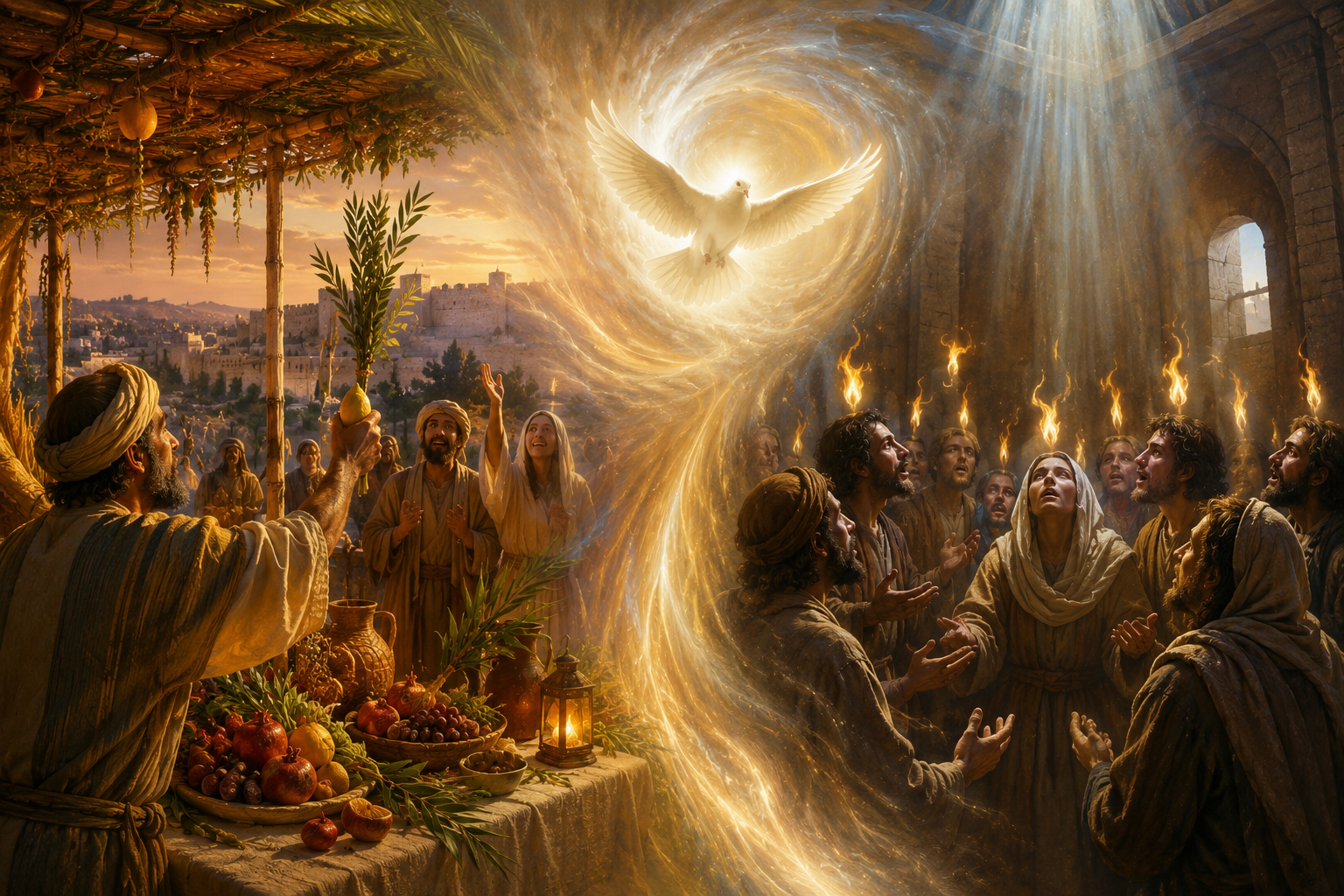
During this seven-day festival, people lived in temporary structures - tents or booths - commemorating when the Israelites wandered in the wilderness and God dwelt among them in the tabernacle. It was both a harvest celebration and a powerful reminder of God's presence with His people.
The Symbolism of God's Presence
The feast pointed directly to the coming Messiah. Just as God had been present with Israel in a pillar of fire by night and cloud by day over the tabernacle, this celebration looked forward to when God would dwell permanently with His people. When Solomon built the temple, he chose to dedicate it during the Feast of Tabernacles, symbolizing the transition from God's temporary dwelling to His permanent presence.
What Happened During the Water Ceremony?
Each day of the festival included a remarkable water ceremony. Priests would gather at the Pool of Siloam with golden vessels, fill them with water, and process through the Water Gate into Jerusalem. The crowds would wave branches of myrtle, willow, and palm trees, shouting and blowing ram's horns in celebration.
At the temple altar, priests would pour water into one silver basin and wine into another, letting them flow together. This ceremony commemorated when Moses struck the rock at Mount Horeb, bringing forth living water for the thirsty Israelites in the wilderness.
Jesus' Bold Declaration
On the last day of this festival, as the water ceremony reached its climax, Jesus stood up and made a stunning proclamation: "'If anyone thirsts, let him come to me and drink. Whoever believes in me, as the Scripture has said, 'Out of his heart will flow rivers of living water.'" - John 7:37-38 (ESV)
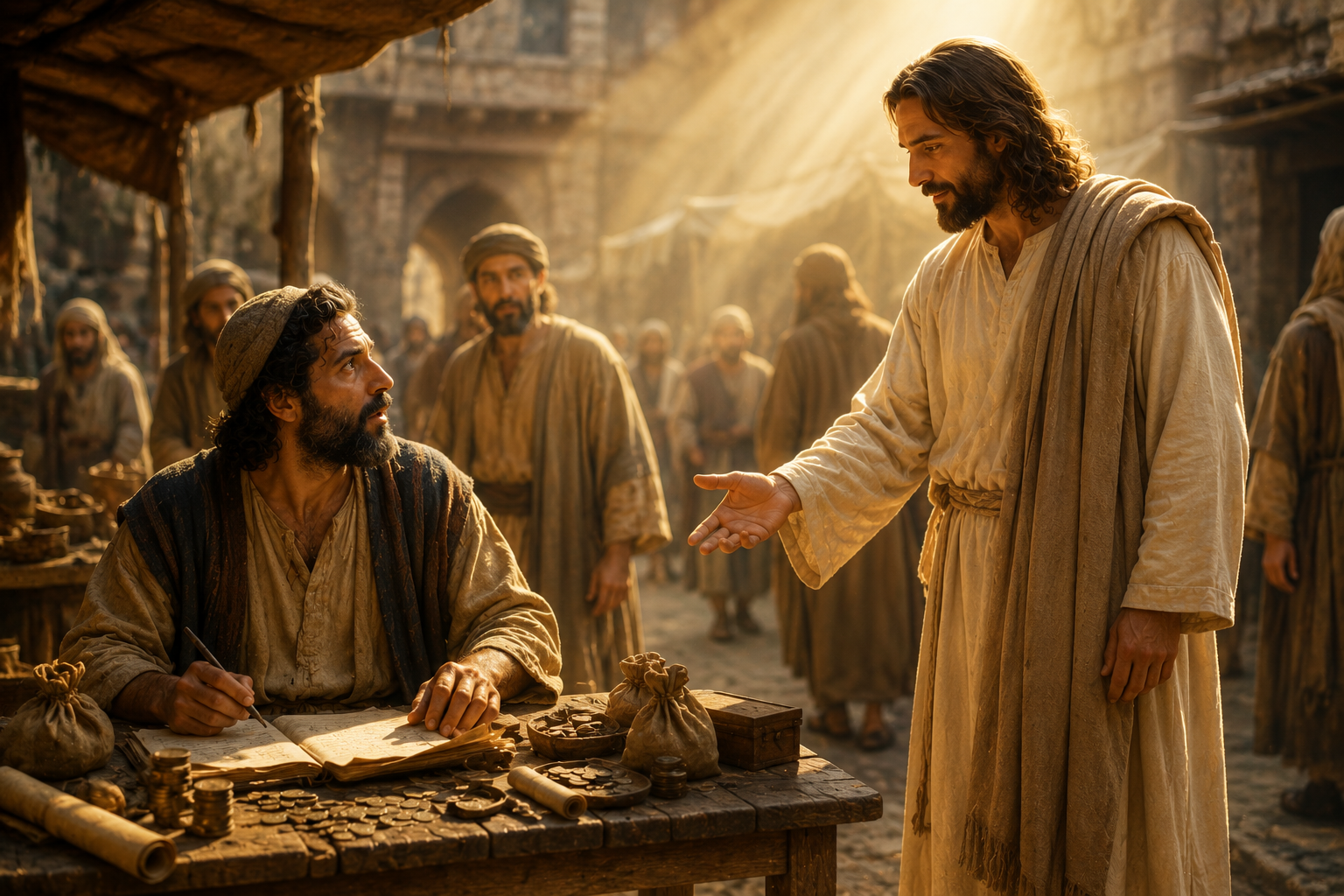
This wasn't just about physical thirst. Jesus was addressing the deeper human need for significance and value. He was saying, "If you feel insignificant, if you feel worthless, come to me. I am the living water that will quench your deepest thirst."
How Does This Connect to Pentecost?
Jesus explained that this living water referred to the Holy Spirit, whom believers would receive after His glorification. The promise made at the Feast of Tabernacles was fulfilled at Pentecost, exactly 50 days after Passover.
When the disciples gathered in Jerusalem for Pentecost, wind and fire swept through the room. Tongues of fire appeared above their heads, and they spoke in various languages, proclaiming God's mighty works to people from every nation.
Reversing the Tower of Babel
This outpouring of the Spirit reversed what happened at the Tower of Babel. Where God had once scattered people by confusing their languages due to their pride, now He was bringing them together through the Spirit. People from different nations heard the gospel in their own languages, understanding God's message of redemption.
Why Do We Matter to God?
The connection between these festivals reveals a profound truth about human significance. Research shows that people fundamentally need two things: to know they matter to someone and to feel they're providing value to others.
Jesus addresses both needs. At the Feast of Tabernacles, He declared that we matter to Him - we have significance because we're loved by the Creator of the universe. Through the Holy Spirit given at Pentecost, we're empowered to matter to others and provide value through our various callings in life.
The Fruit of the Spirit in Daily Life
When the Holy Spirit dwells in us, He produces fruit: "love, joy, peace, patience, kindness, goodness, faithfulness, gentleness, and self-control" - Galatians 5:22-23 (ESV). These qualities flow from us like rivers of living water, blessing others and demonstrating our significance in God's kingdom.
We might feel inadequate to display all these qualities, but that's precisely why we need the Spirit's power. He enables us to love when love is difficult, to show patience when we're frustrated, and to demonstrate kindness when others are unkind.
What About When We Feel Insignificant?
Sometimes we struggle with feelings of worthlessness, especially during difficult seasons of life. We might think we're not accomplishing anything meaningful or that we don't really matter anymore.
The truth is that as long as we can pray, we can make a difference. Prayer matters because it connects us to the God who matters supremely. Even from a hospital bed or in the midst of limitations, we can intercede for others and participate in God's work through the Spirit.
Life Application
This week, remember that you matter to Christ as the living water who quenches your deepest thirst for significance. Through the Holy Spirit, you're called to help others recognize their value too. Look for opportunities to demonstrate the fruit of the Spirit in your daily interactions.
Consider these questions as you reflect on this truth:
- In what areas of your life do you struggle with feelings of insignificance, and how can you bring those to Jesus as the living water?
- How can you help someone else this week recognize that they matter both to Christ and to you?
- What specific fruit of the Spirit do you need the Holy Spirit's help to develop more fully in your relationships?
- How might God be calling you to provide value to others through your current circumstances, even if they feel limiting?
The same Spirit who empowered the disciples at Pentecost dwells in you today. You matter to God, and through His Spirit, you can matter significantly to others as rivers of living water flow from your heart.