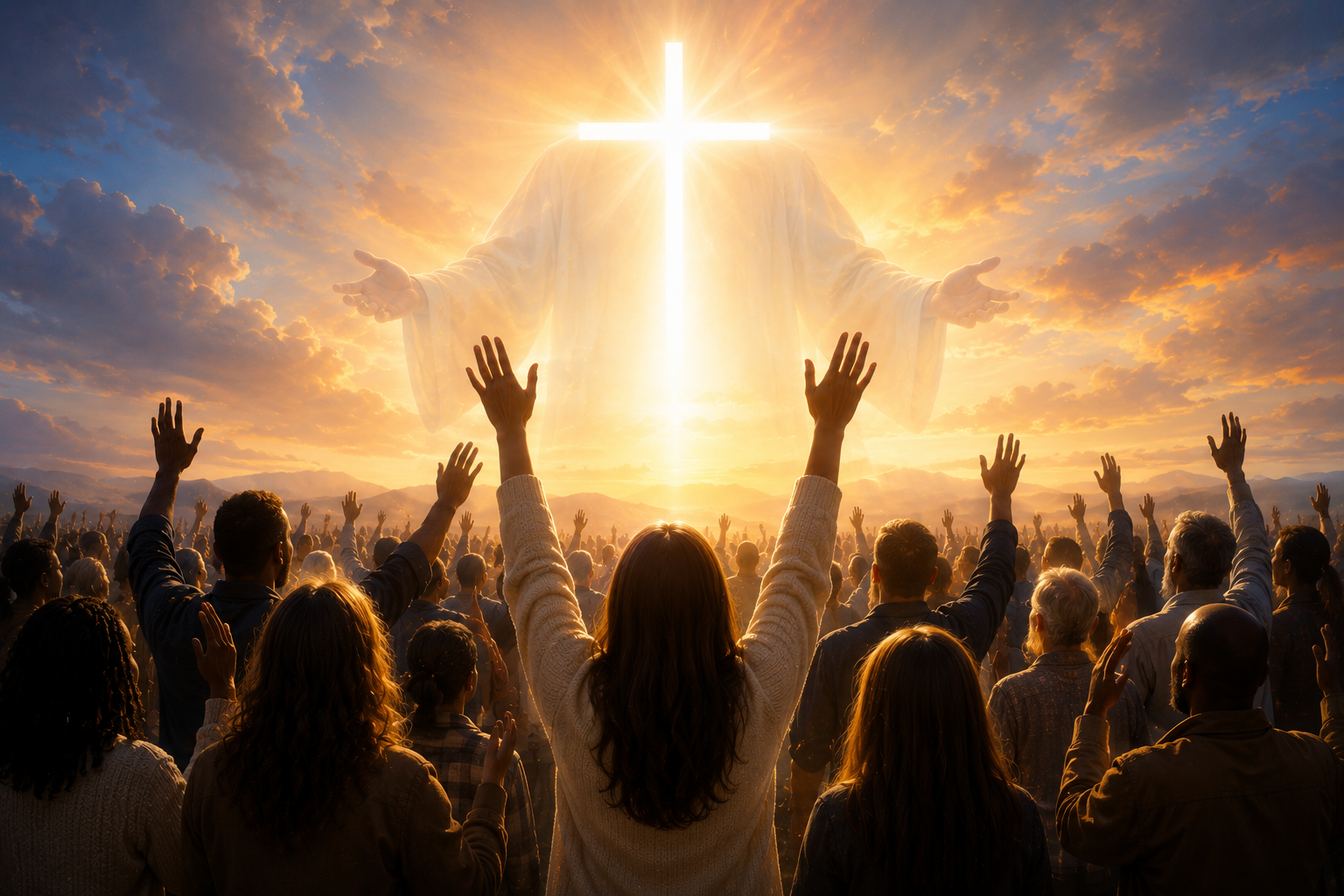
Have you ever wondered what it truly means to be a Christian? Beyond attending church services and reading your Bible, there's a profound truth that many believers don't fully grasp: you are actually a priest. This isn't just a metaphor or spiritual concept—it's a biblical reality that should transform how you live out your faith.
What Does It Mean to Be Part of the Priesthood of All Believers?
The foundation for understanding our role as priests comes from both the Old and New Testaments. In Exodus 19:6, God told the Israelites, "you shall be to me a kingdom of priests and a holy nation" - Exodus 19:6 English Standard Version (ESV). This was part of the old covenant, where Israel was expected to keep God's commandments and serve as His holy people.
The Apostle Peter later connected this Old Testament promise to New Testament believers, writing: "But you are a chosen race, a royal priesthood, a holy nation, a people for his own possession, that you may proclaim the excellencies of him who called you out of darkness into his marvelous light" - 1 Peter 2:9 English Standard Version (ESV).
How Did Martin Luther Understand the Priesthood of All Believers?
Martin Luther revolutionized Christian understanding when he wrote about the priesthood of all believers in 1520. He identified three "Roman walls" that needed to come down in the Catholic Church of his time:
The Wall of Jurisdiction
Luther challenged the idea that only the Pope could interpret Scripture. He argued that all believers, through the Holy Spirit, can receive interpretive insight from God's Word. While we should respect theologians and church tradition, no single person has exclusive authority over biblical interpretation.
The Wall of Merit
This wall represented the false teaching that salvation comes through works and indulgences. Luther firmly established that we are saved by grace through faith in Christ alone, not through any merit-based system of earning God's favor.
The Wall of Mediation
Perhaps most importantly for understanding our priesthood, Luther rejected the idea that only ordained priests could mediate between God and people. In the New Testament, Christ became our High Priest, and through baptism, all believers inherit the responsibility and privilege of serving as priests.
What Does Christ's Compassion Teach Us About Witnessing?
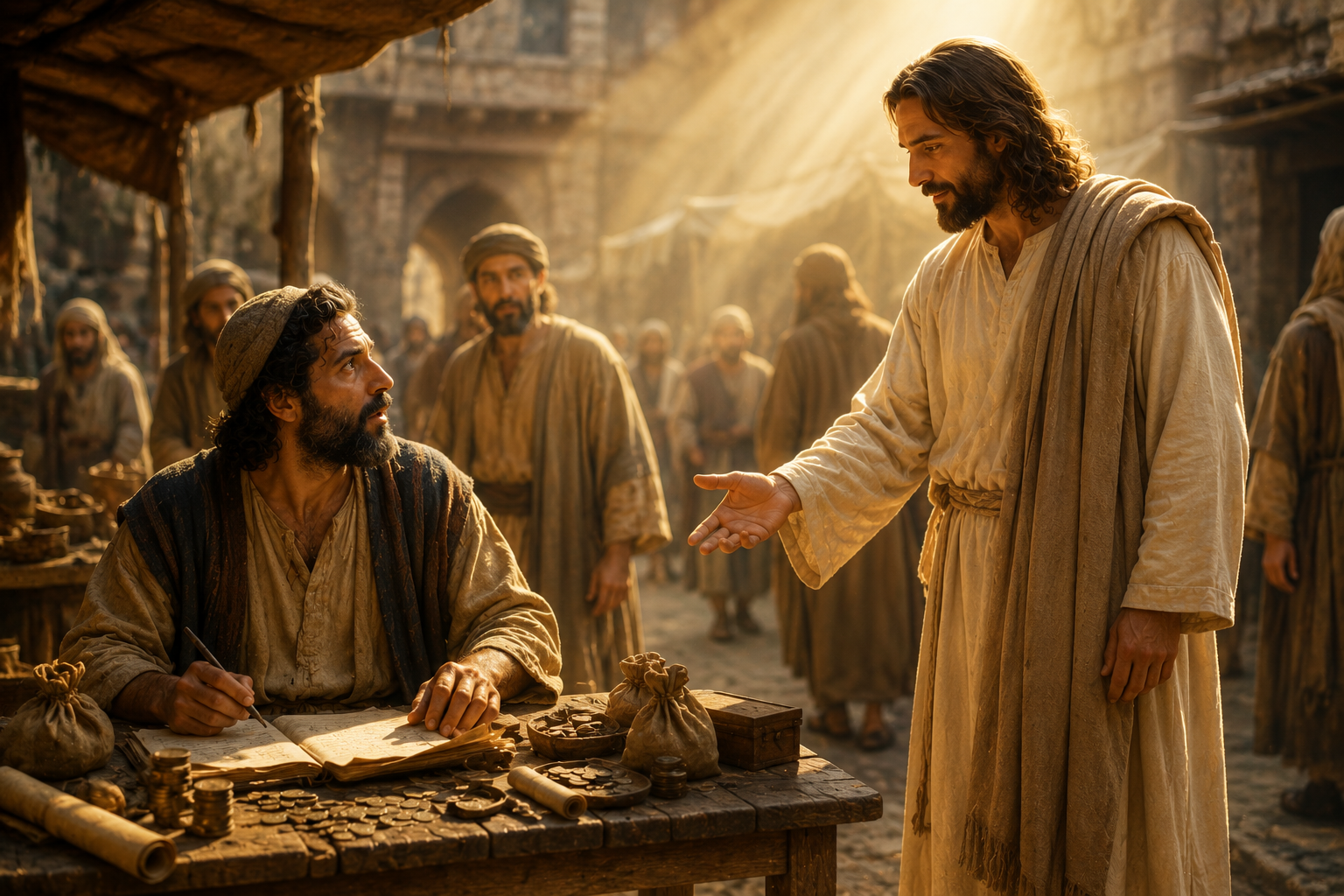
In Matthew 9, we see Jesus looking at the crowds with deep compassion. The text tells us: "When he saw the crowds, he had compassion for them, because they were harassed and helpless, like sheep without a shepherd" - Matthew 9:36 English Standard Version (ESV).
This compassion should infuse our witnessing for Christ. Even when people appear to be acting out in anger or seem difficult to approach, we must look deeper. Often beneath challenging behavior lies someone who is truly helpless, harassed, and hurting.
How Are We Called to Be Laborers in the Harvest?
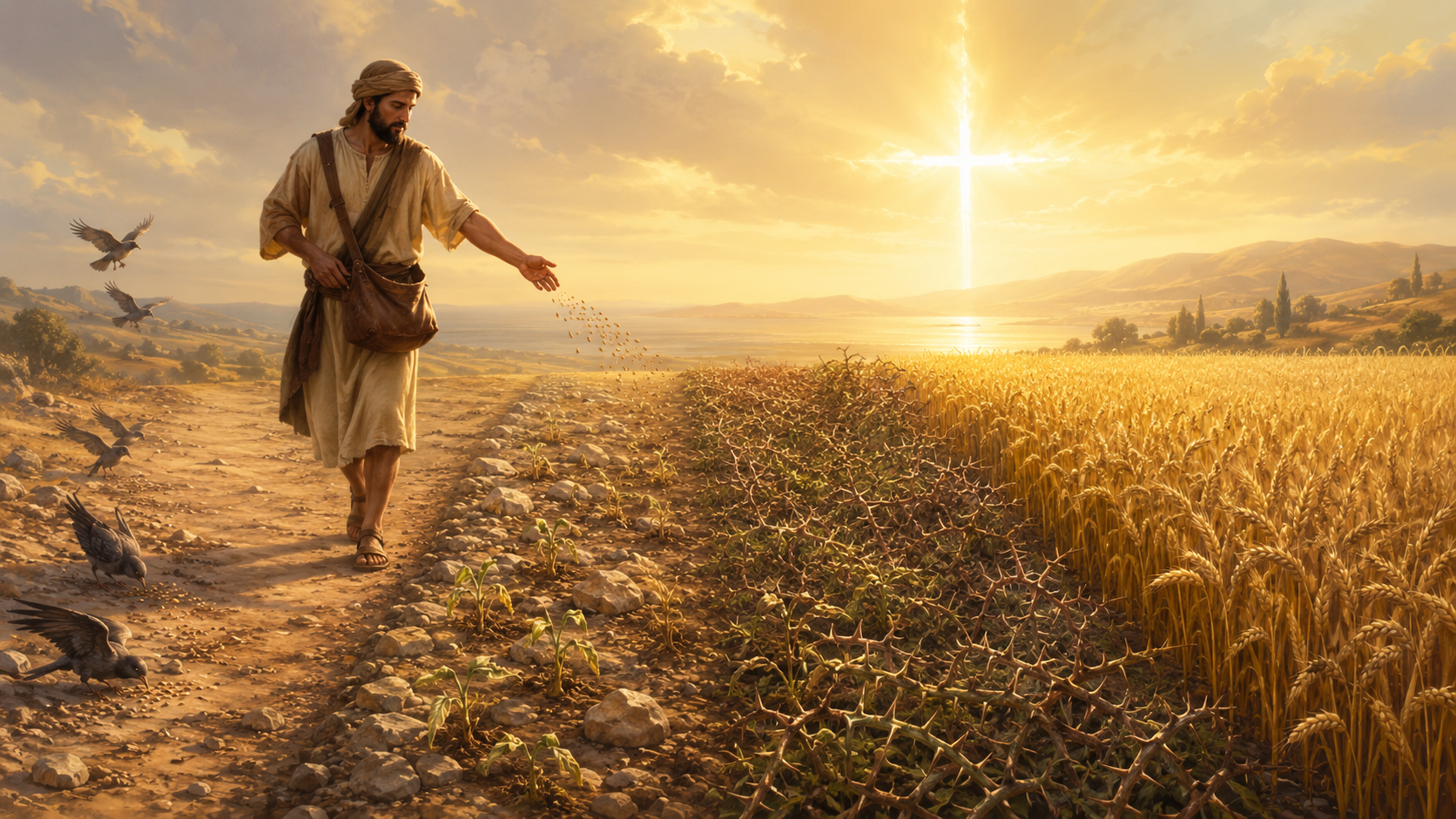
Jesus told His disciples to pray for laborers to be sent into the harvest field. But immediately after asking them to pray for workers, He commissioned them to become those very workers. This same pattern applies to us today—we pray for witnesses and evangelists, but we must also recognize that we are called to be those witnesses ourselves.
The disciples became apostles (meaning "sent ones") when Jesus empowered and commissioned them. Similarly, through our baptism and faith, we are empowered and sent out as priests to serve others and share the Gospel.
What Are the Three Essential Elements of Christian Priesthood?
According to Luther, three things make someone a priest:
- Faith - Believing in Jesus Christ as Lord and Savior
- Proclaiming the Gospel - Sharing the good news with others
- Being baptized by the Holy Spirit - Being joined to Christ's death and resurrection
Through baptism, we are joined to Christ's death (our old self dies) and His resurrection (we receive new life). This transformation makes us like Christ and calls us to mimic His ministry of compassion and service.
How Do We Mimic Our Master Jesus?
Just as an impersonator studies and mimics their subject, we are called to study and mimic Jesus Christ, our Master. We are shaped by His ministry, His focus on compassion, and His ability to see beyond people's exterior circumstances to their deeper needs.
Our faith should be centered on the truth that Jesus is Lord, the King of all creation, and the one to whom we are accountable. As priests in His name, we carry the responsibility to witness for Christ in our daily vocations and interactions.
Life Application
This week, embrace your identity as a priest in God's kingdom. Look for opportunities to exercise your priestly calling by showing Christ-like compassion to those around you. When you encounter someone who seems difficult or is acting out, try to see beyond their behavior to the hurt or helplessness underneath.
Consider these questions as you live out your priestly calling:
- How can I show Christ's compassion to someone who seems "harassed and helpless" this week?
- What opportunities do I have in my daily vocation to witness for Christ through my words and actions?
- Am I relying too heavily on pastors and church leaders to do the work of ministry, or am I embracing my role as part of the priesthood of all believers?
- How can I better "mimic the Master" Jesus in my interactions with others?
Remember, you don't need special training or ordination to serve as a priest—through your baptism and faith, you already have everything you need to be a witness for Christ and a mediator of His grace to others.